Welcome to Taizhou Yuexin Hydraulic Technology Co., Ltd
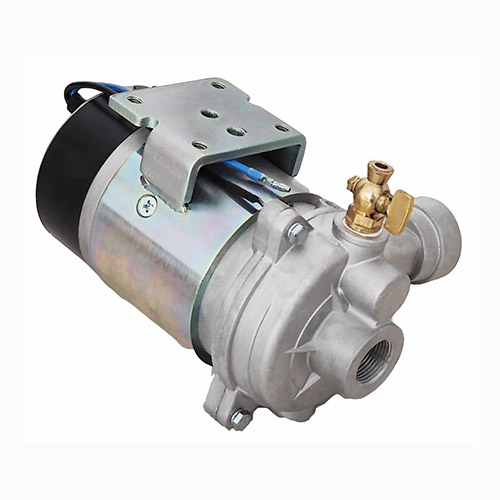
The 'Fountain Of Life' Of CAT320 Excavator Engine: Cooling Water Pump
In the field of construction machinery, CAT320 excavators have become the main equipment in harsh environments such as mines and construction sites due to their excellent operational performance and reliability. In the "heart" of this steel behemoth - the engine system, the "cooling water pump" plays an indispensable role and can be called the "fountain of life" that maintains stable operation of the power system.
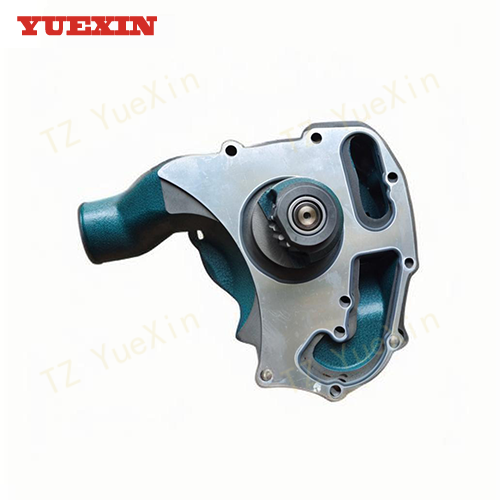
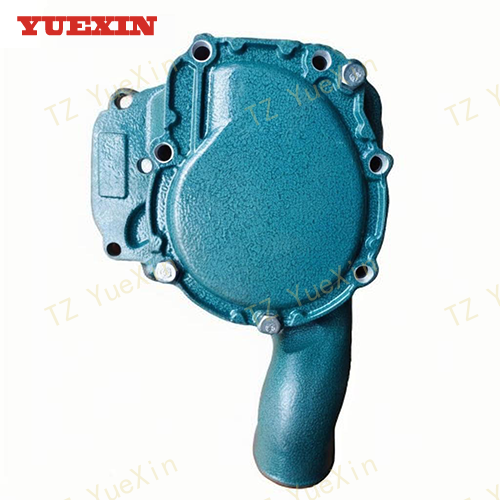
Explain its importance from the following aspects:cooling water pumpcooling water pump
Firstly, the "temperature regulator" in high-temperature environments.
When the CAT320 engine operates at full load, the combustion chamber temperature can reach over 2000 ℃. Without effective cooling, metal components will fail due to thermal expansion within a few minutes. The cooling water pump circulates hundreds of liters of coolant per minute to quickly transfer heat from the high-temperature area to the radiator, ensuring that the core temperature of the engine remains stable in the safe range of 85-95 ℃. This process is like installing a dynamic thermal balance system on the engine to avoid catastrophic failures such as cylinder deformation and piston ring jamming caused by local overheating.
Thirdly, the 'invisible guardian' of economic benefits
- Fuel efficiency guarantee: For every 10 ℃ overheating of the engine, fuel consumption increases by 2.5%. Maintaining the optimal working temperature of the cooling water pump can save over 10000 yuan in fuel costs annually.
- Extended overhaul cycle: Standardized maintenance of the cooling system can extend the engine overhaul interval to 12000 hours.
- Prevention of sudden shutdown: According to statistics from a construction company, the replacement of water pumps due to early warning reduced unplanned shutdowns by 65%.Conclusion:From tropical rainforests to polar mining areas, the CAT320 excavator engine cooling water pump is always the first line of defense for equipment reliability. It is not only a mechanical component, but also an engineering crystallization that integrates fluid mechanics, materials science, and intelligent monitoring. As Caterpillar engineers have said, 'Every drop of water in the cooling system creates value for the equipment.' Valuing this component with a diameter of less than 30cm is the lifeline that safeguards the entire equipment's value.
Secondly, the 'key hub' of multi system collaboration.
The cooling system of modern construction machinery ha.s developed into an integrated intelligent network, and the CAT320 cooling water pump is not only a simple fluid conveying device:
- Turbocharger protection: By prioritizing the cooling of the high-temperature turbine shaft, it prevents the carbonization and coking of lubricating oil.
- Hydraulic oil temperature control: linked hydraulic system radiator to avoid seal aging caused by high temperature of hydraulic oil
Exhaust gas post-treatment support: providing a stable thermal environment for the SCR system to ensure nitrogen oxide purification efficiency.
- According to the equipment failure statistics of a certain mine in 2021, the proportion of composite failures caused by cooling water pump failures was as high as 37%, far exceeding the single component failure rate.
Secondly, the 'key hub' of multi system collaboration
The cooling system of modern construction machinery has developed into an integrated intelligent network, and the CAT320 cooling water pump is not only a simple fluid conveying device:
Turbocharger protection: By prioritizing the cooling of the high-temperature turbine shaft, it prevents the carbonization and coking of lubricating oil
Hydraulic oil temperature control: linked hydraulic system radiator to avoid seal aging caused by high temperature of hydraulic oil
Exhaust gas post-treatment support: providing a stable thermal environment for the SCR system to ensure nitrogen oxide purification efficiency
According to the equipment failure statistics of a certain mine in 2021, the proportion of composite failures caused by cooling water pump failures was as high as 37%, far exceeding the single component failure rate.