Welcome to Taizhou Yuexin Hydraulic Technology Co., Ltd
How does a hydraulic motor work
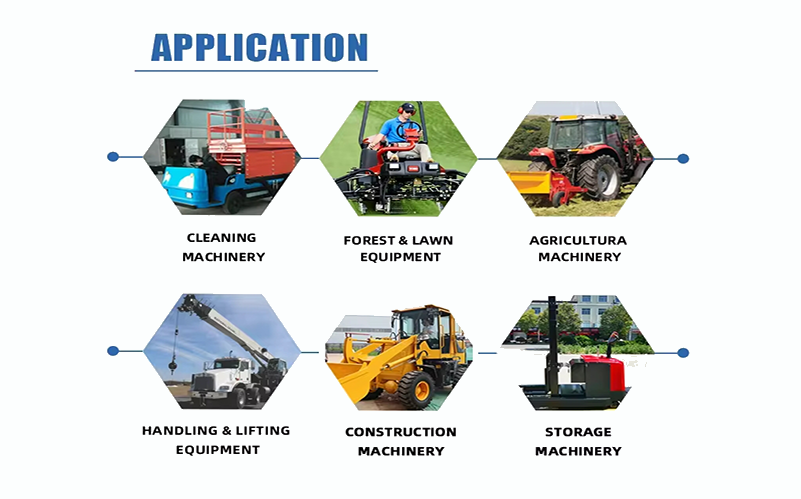
As an important executive component of hydraulic systems, hydraulic motors have been found to have a coverage rate of over 90% in various applications, such as agricultural machinery, engineering machinery, marine machinery, and auxiliary machinery in industrial sites.
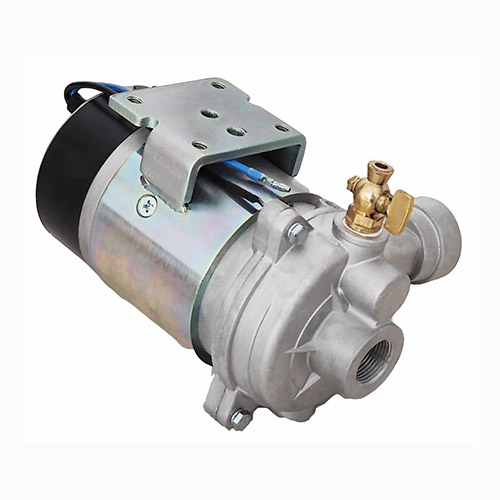
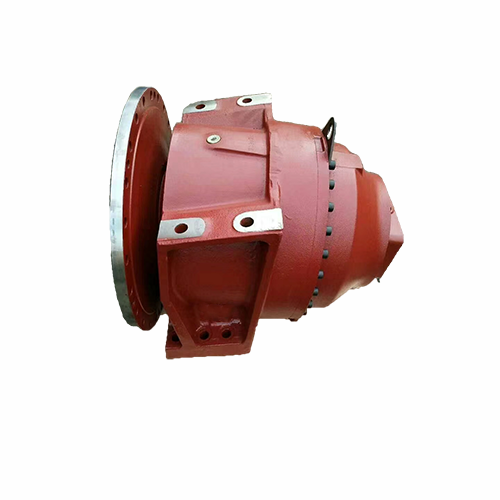
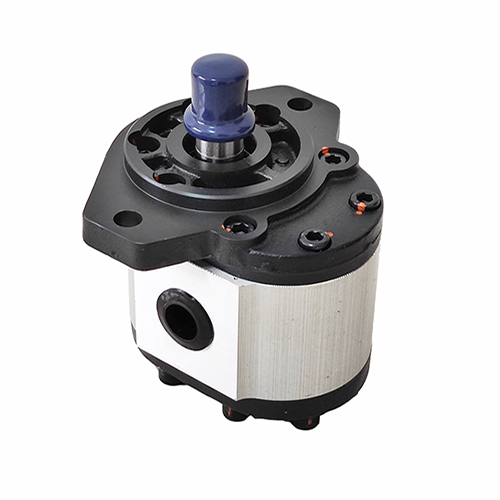
The basic structure of a hydraulic motor consists of components such as a casing, hydraulic cylinder body, rotor, and hydraulic shaft. Among them, the hydraulic cylinder body is equipped with a hydraulic plunger or gear inside, which rotates the shaft to achieve energy conversion through the action of liquid flowing through the plunger or gear.
The working principle of hydraulic motors can be summarized as follows:
Firstly, when liquid pressure enters the cylinder body of the hydraulic motor, the plunger inside the hydraulic cylinder is subjected to pressure, producing a rotational torque.
Secondly, as the internal plunger of the hydraulic motor rotates, the oil is compressed and discharged. Through the conversion of the internal plunger of the motor, it ultimately becomes the torque and speed of the output shaft, thereby achieving the conversion of hydraulic energy into mechanical energy.
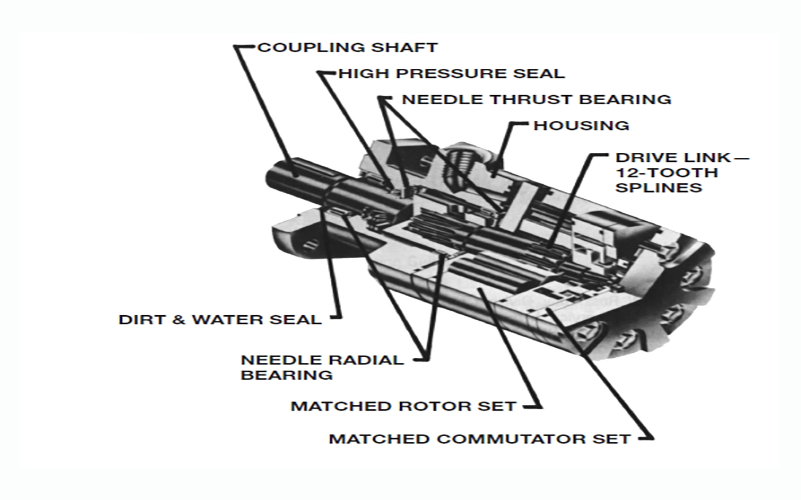
To summarize the above two points:
In practical use, to ensure the normal operation of the hydraulic motor, auxiliary components such as one-way valves and pre-tension springs are added to the hydraulic motor to ensure the smooth flow of oil inside the motor, while preventing oil leakage and backflow.
*Advantages of hydraulic motors:
*High power
*High reliability
*Stable output
Due to the working advantages of hydraulic motors, they are widely used in various mechanical equipment that require continuous rotational motion.